7-Month Sleep Regression: Everything Parents Should Know
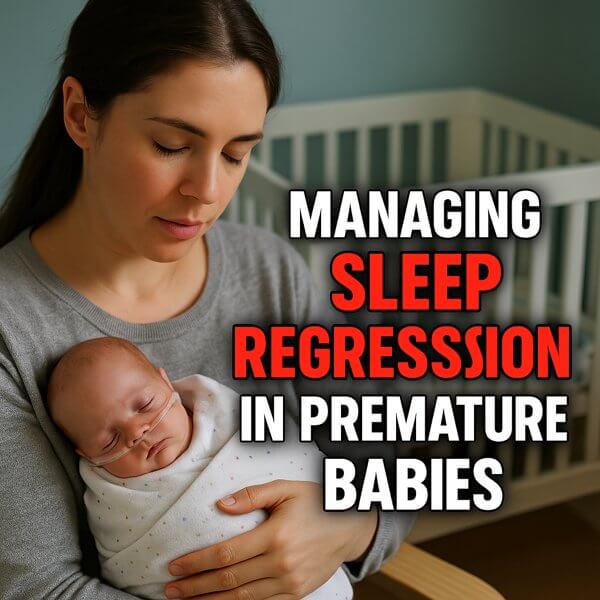
Around seven months, it is common for babies to experience unexpected sleep difficulties.
This stage is commonly referred to as the 7-month sleep regression.
This regression is completely normal and developmentally appropriate.
What Is the 7-Month Sleep Regression?
The term 7-month sleep regression refers to short-term sleep disturbances that often appear around the seventh month.
Many babies begin waking at night, skipping naps, or resisting bedtime.
This regression is closely linked to rapid physical, cognitive, and emotional development.
Signs Your Baby Is Experiencing 7-Month Sleep Regression
Although symptoms vary, certain patterns are very common.
- Frequent night wakings
- Sudden nap resistance
- Trouble settling at bedtime
- Shortened morning sleep
- More irritability during the day
If these changes appear suddenly and your baby is otherwise healthy, sleep regression is likely the cause.
Causes of the 7-Month Sleep Regression
Developmental Milestones
Seven-month-old babies experience rapid growth and official source learning.
New abilities often include crawling attempts, sitting up, and improved coordination.
Nighttime sleep can be disrupted by mental and physical practice.
Separation Anxiety
Emotional attachment becomes stronger during this phase.
Babies may wake at night to check if their caregiver is nearby.
Schedule Adjustments
Older babies require different sleep timing.
Most babies transition to two or three naps per day with longer wake windows.
Duration of the 7-Month Sleep Regression
This regression will pass with time.
For most babies, it lasts between two and four weeks.
Consistency often speeds up recovery.
7-Month-Old Sleep Requirements
On average, a seven-month-old baby needs between 12 and 15 hours of total sleep per day.
- Night sleep: 10–12 hours
- Day sleep: 2–3 naps totaling 2–3 hours
Proper sleep balance supports healthy development.
How to Survive the 7-Month Sleep Regression
Stick to a Predictable Routine
A calming bedtime routine signals sleep time.
Simple steps like a bath, pajamas, feeding, and a book can help.
Adjust Wake Windows
Longer wake periods are common at this age.
Encourage Daytime Practice
Daytime practice reduces nighttime activity.
Respond Consistently at Night
Gentle reassurance often works best.
Conclusion
Sleep disruptions at seven months are normal.
Your baby is developing exactly as expected.
Better sleep is ahead for both you and your baby.